
PEANUTS: VARIETIES AND CULTIVATION, USEFUL PROPERTIES
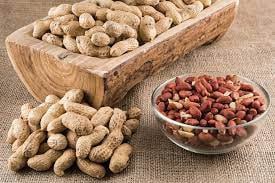
Peanut kernels contain 20-25% high-quality easily digestible protein, minerals and vitamins. Its seeds are eaten pure or fried. Synthetic fibers are made from protein, and glue is made from it. These glues are similar to glue made from animal bones. It is also used to extinguish fires.
The taste of the oil is not inferior to olive oil. It is widely used in the preparation of high-quality preserves and margarine from various vegetable crops, as well as in the confectionery and perfume industries.
Peanut seeds contain an average of 18% carbohydrates, a large amount of minerals such as K, Mg. It is also rich in vitamins A, B and E. The stem is also rich in minerals and vitamins, and in terms of nutrition, it is not inferior to the alfalfa crop.
Plant residues contain a large amount of phosphorus and potassium and enrich the soil with various organic substances and minerals. In domestic conditions, the husks separated from the nuts are put under young calves, milking and pregnant cows in the winter season in order to prevent them from passing poison. In industry, peanut husks can be used in the production of construction products (DSP, noise protection insulator).
Varieties: The homeland of the peanut is South America, and even now, perennial wild species grow in the southern part of Brazil, Paraguay, Uruguay, Bolivia, and along the banks of the Amazon River.
Common and popular peanut varieties in our republic are: "Tashkent-112", "Kibray-4", "Mumtoz", "Salamat", etc. There are varieties that have entered our republic from India, Pakistan, China, Russia, Turkey, Japan and other countries and are being planted, although in small quantities. It is elongated.
Animal feed. Peanuts are leguminous plants, and the leaves are nutritious fodder for animals. Since it is a plant that needs to be worked between the rows in its care, the soil is cultivated during the period of time from the germination of the seeds to the period of the formation of the crop organs. It is a good plant for crop rotation because it is cleaned of weeds during cultivation, absorbs biological nitrogen from the atmosphere and leaves it in the soil. It can be planted alternately with any technical (inter-row) crops. If it is grown as a main crop in the spring season, it is sown as a repeat crop after the fall grain crops.
Subscribe to the official pages of the National Center!
WEB|Telegram| Instagram | Facebook |▶ Youtube