
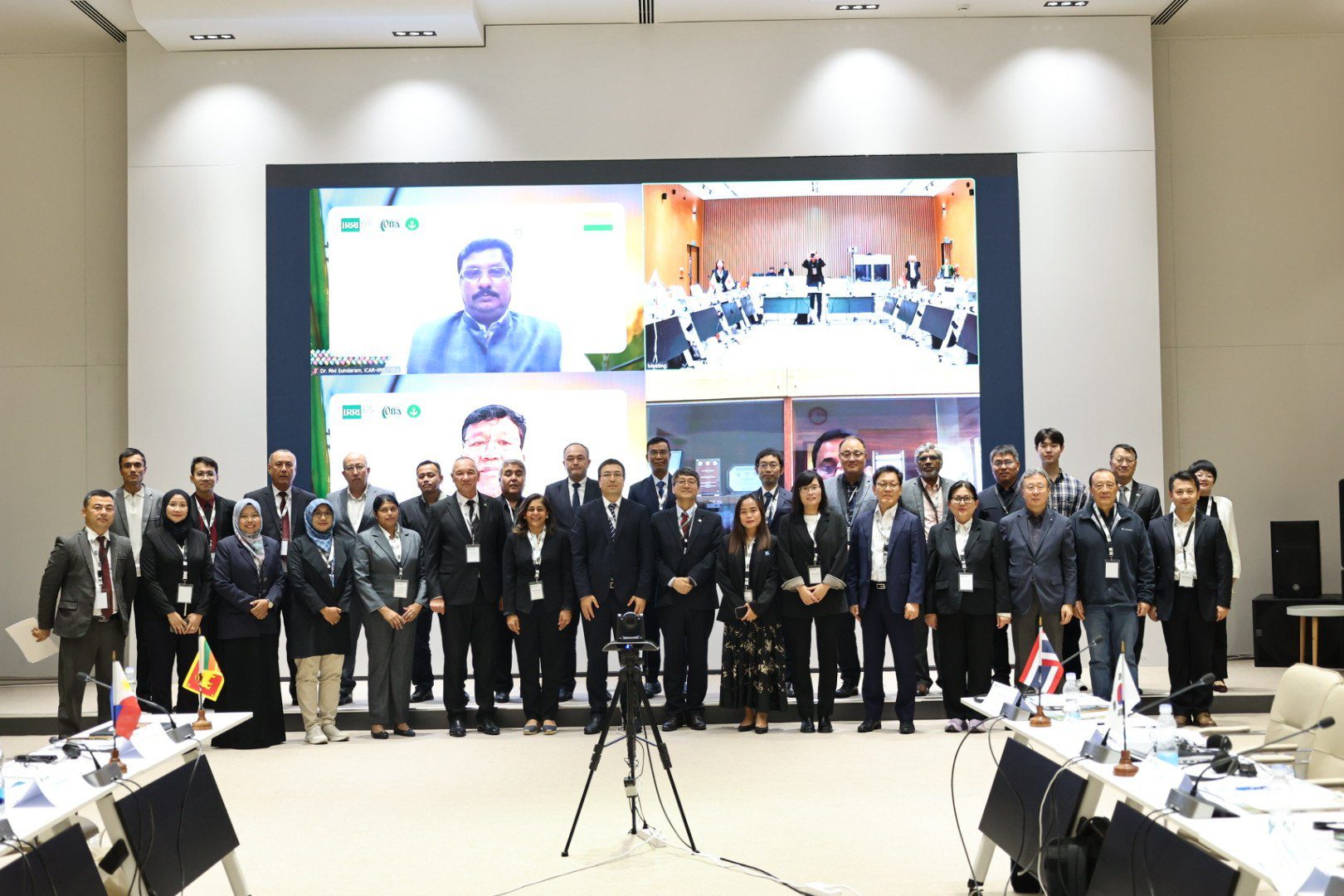


Within the framework of the event, the issues of expanding regional scientific cooperation, introducing new technologies and developing the rice cultivation system on an ecologically sustainable basis are widely discussed.
In their presentations, the representatives of China, Malaysia, Korea and Japan emphasized the need for innovative research directions in the field of rice cultivation, the application of scientific results to production, and the need to further strengthen cooperation between scientific institutions.
Experts from Thailand, Vietnam and the Philippines shared their best practices in the field of sustainable agriculture and water-saving technologies. They say that with the help of modern techniques and agro-technologies, it is possible to increase productivity and reduce the negative impact on the environment.
Also, delegates from Cambodia, Indonesia, Bangladesh, Sri Lanka, and Myanmar presented their scientific developments on agrotechnologies that reduce methane emissions, and effective methods of pest and weed management. These approaches serve to reduce the negative impact of climate change in the region.
During the meeting, the achievements of Uzbekistan in the field of rice cultivation in recent years were also specially recognized. In particular, the participants were introduced to new high-yielding, climate-resistant rice varieties created by the Rice Research Institute of the National Center for Knowledge and Innovation in Agriculture, innovative agrotechnologies developed for their cultivation, and projects implemented in international cooperation.
Within the framework of the event, future plans to further strengthen scientific cooperation between the countries of the region, establish mutual exchange of experience and develop a sustainable rice production system are being discussed.
The recommendations and decisions adopted by the Council will serve to more effectively conduct research in the field of rice in Asian countries, unify scientific potential and ensure food safety.