
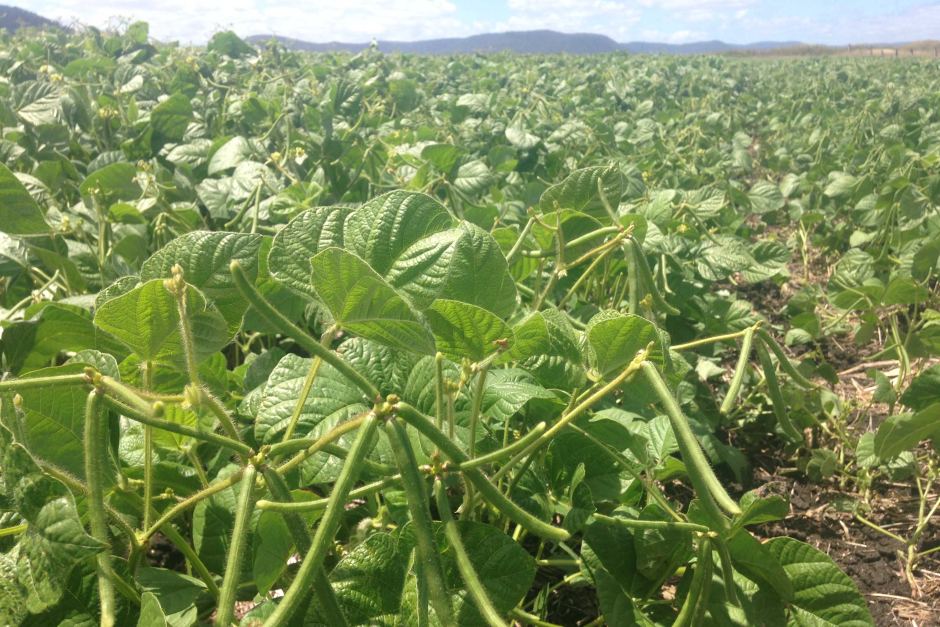
Mosh is a valuable leguminous crop with a special place as food. Various dishes prepared from it are not only tasty, but also very useful. For example, mosh is important for the body due to its richness in protein and vitamins. It also enriches the soil with nitrogen and increases fertility for subsequent crops.
Moss planted as a repeated crop is now entering the flowering phase. So how do you take care of it? Although mosh is resistant to drought, if proper agrotechnics are not followed in care, the harvest may not be as expected.
We provide you with scientifically based recommendations on how to pay attention to mosh during its growth period.
Irrigation
The main rule in mash cultivation is to water the land well before planting and to sow the seeds with sufficient soil moisture. Then the seed germinates well and the root system develops well.
Mushroom is not watered much during the growth period.
If the soil moisture drops sharply during the flowering phase, one light watering is sufficient.
If water is given more than the norm, the stem will rot, the productivity will decrease and the grain quality will decrease.
Nutrition
Mosh is a nitrogen-fixing leguminous plant, so it does not require a lot of nitrogen fertilizer.
However, supplementation works well:
Phosphorus (P₂O₅): 150–200 kg/ha (calculated as pure substance).
Potassium (K₂O): 80–120 kg/ha.
Nitrogen (N): 30–40 kg/ha only during initial growth. Then, if more is given, the leaf will increase, but the grain will decrease.
It is advisable to give fertilizer in two stages: half when planting and the rest before flowering.
Additional care
The rows should be opened 1-2 times with a cultivator to remove weeds.
If pests such as aphids and thrips are observed, insecticide treatment is recommended.
Harvest: The pods should be harvested when 70–80% are ripe. Otherwise, fully ripe mush may be bitten and losses may increase.