


Early detection of yellow rust disease in grain fields and control of its spread is important for achieving high yields.
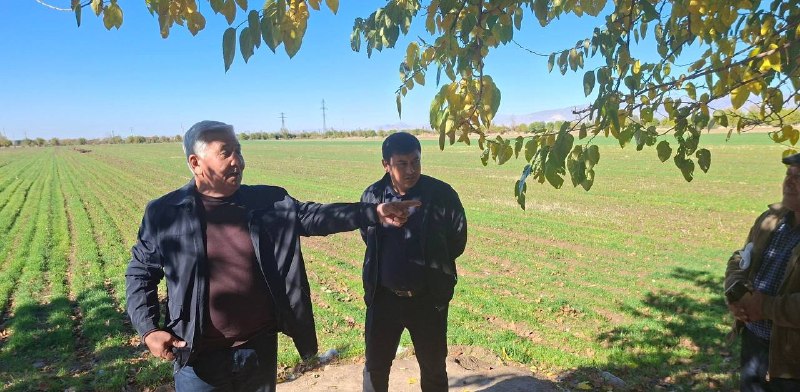
The scientists of the Scientific-Research Institute of Plant Genetic Resources are conducting continuous monitoring of the development of yellow rust disease in grain fields. This disease can affect the leaves, stems and ears of wheat.
There are three main types of rust: yellow rust, brown rust, and stem rust.
Periodicity of monitoring:
it is necessary to carry out control measures at least once a week from the time of sowing of wheat until the grain filling period.
It is recommended to carry out frequent monitoring when there are favorable conditions for the spread of the disease (humid and warm weather).
Monitoring methods
cross the field diagonally;
examine at least 20 plants at each point;
pay special attention to the upper and lower parts of the leaves, stems and spikes;
look for signs of rust disease (pustules);
photographs are necessary to compare and assess the degree of development of the disease.
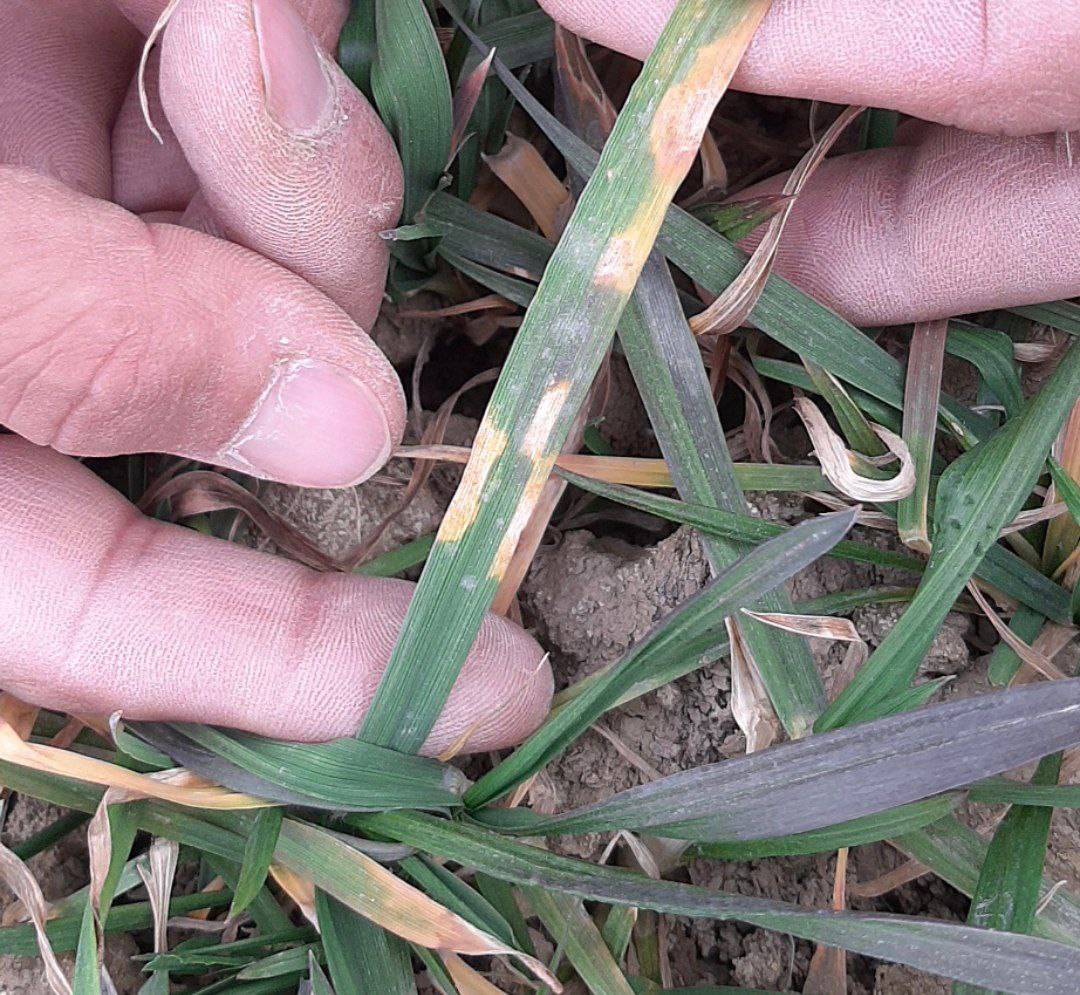
Determining the symptoms of rust disease:
Yellow rust (Puccinia striiformis):
yellow or orange long striped pustules (sores) appear on the leaves.
pustules are located along the leaf veins.
Brown rust (Puccinia recondita)
dark brown, round or oval pustules form on the upper part of the leaves.
Factors affecting the development of yellow rust in early spring:
Weather conditions: Yellow rust develops rapidly, especially when the air temperature is 10-15°C and in conditions of high humidity (precipitation, fog). Such conditions are very favorable for the growth and spread of spores (pathogens);
Susceptibility of varieties: if the planted wheat variety is not resistant to yellow rust, the disease can spread quickly;
excessive use of nitrogen fertilizers: an excess of nitrogen fertilizers lowers the immunity of plants and increases their susceptibility to disease;
Crop density: Air circulation is poor in densely planted wheat fields, which increases moisture and promotes disease spread.
Notes:
it is necessary to carry out regular monitoring.
be careful in identifying the symptoms of the disease.
if necessary, use the help of a specialist.