

It_is_interesting
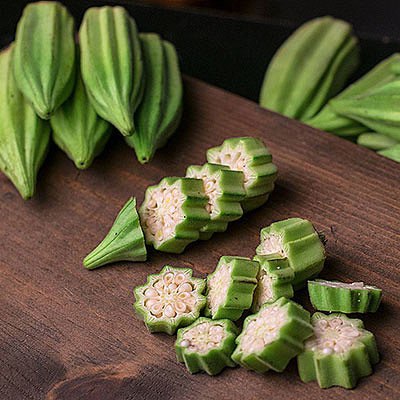
NON-TRADITIONAL CROP — OKRA
Okra is a perennial plant that is cultivated mainly in Asia, Africa, America and Southern Europe. It looks like a cotton plant. Okra fruits contain carbohydrate, protein, oil, iron, calcium, fiber, thiamin, icotinamide, riboflavin and ascorbic acid.
⏩ Okra is not only a vegetable crop, but dried seeds can be used to make vegetable curd, or roasted and ground seeds can be used as a substitute for coffee.
Okra fruits and stems contain crude fibers used in the paper industry. In industry, mucilaginous substances contained in okra fruits are used for gluing papers. Also, tools such as bioabsorbent, useful for the preparation of confectionery products, are obtained. Okra stalks are also grown for fiber.
Technically ripe okra fruits can be boiled, fried, smoked and cooked with other vegetables or eaten on their own. In addition, okra can be made into various preserves. Okra is a very useful vegetable, the composition of its fruit is rich in healing vitamins and minerals.
As a result of constant consumption of its fruit:
- due to the fact that the fruit contains a lot of mucous substances, it treats stomach and intestinal disorders;
- strengthens heart blood vessels. Increases resistance to hypertension. It ensures that the blood circulation system is at the same level;
- improves nerve activity, the magnesium element in it strengthens the nervous system;
- Prevents diabetes, lowers blood sugar;
- fruits and seeds are used as a remedy for infertility;
- Provides effective benefits in getting rid of excess weight, cleans toxins and slags;
- Strengthens bones;
- Reduces asthma attacks;
- Reduces sore throat and cough;
- Improves vision;
- Has anti-cancer properties.
For information, starting from 2022, the scientists of the Scientific Research Institute of Vegetables, Rice Crops and Potatoes of the National Center system are engaged in the localization of the okra plant.
Subscribe to the official pages of the National Center!
WEBTelegram Instagram | Facebook |▶ Youtube