
AGRO_RECOMMENDATION
GROWING BEANS
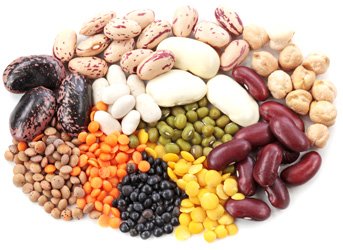
Bean is a grain crop belonging to the legume family. The fruit is a pod, light pink or dark brown, black. There are 6-12 seeds in the pod. The seed is kidney-shaped, white, yellow, pink.
Bean is a heat-loving plant, its seeds germinate at 8-10°. Grass dies at 0.5-1°C frost. Beans are moisture-loving, demanding on fertile soil conditions. The growing period is 75-120 days. Cereal is rich in protein and high in calories. Grain contains 20-31% protein, 0.7-3.6% oil, 50% starch, 2.3-7.1% fiber. The stem is good fodder for livestock. Productivity is 25-40 s/h.
Local varieties are recommended for planting.
For sowing seeds, the same size, fully matured, undamaged seeds are selected. Beans are planted after autumn cereals and fodder crops. It is replanted after 2-3 years in the same planted place. The field is cleaned from the remnants of previous crops and weeds, the ground is softened and leveled at a depth of 25-27 cm.
Pests of beans: bean and pea borers; anthracnose and bacteriosis are the most damaging diseases. Bean seeds are sown in June-July with a row spacing of 60-70 cm. The planting depth is 4-6 cm. 6-8 kg of seeds are used for 10 hectares of land. Beans are not unique. In irrigated conditions, it is watered 1-2 times before pruning, 2 times during the period of pruning and flowering. Fertilizer is added to the previous crop. If required, 3-5 kg of nitrogen, 2-3 kg of phosphorus, 3-3.5 kg of potassium are sprinkled on 10 hectares of land. Phosphorus and potassium are added during soil preparation. Nitrogen fertilizer is sprinkled during the application period.
The crop is harvested when 70-75% of the pods are ripe for grain. The stem is fodder for livestock.
Subscribe to the official pages of the National Center!
WEB|Telegram| Instagram | Facebook |▶ Youtube