
Agro_recommendation
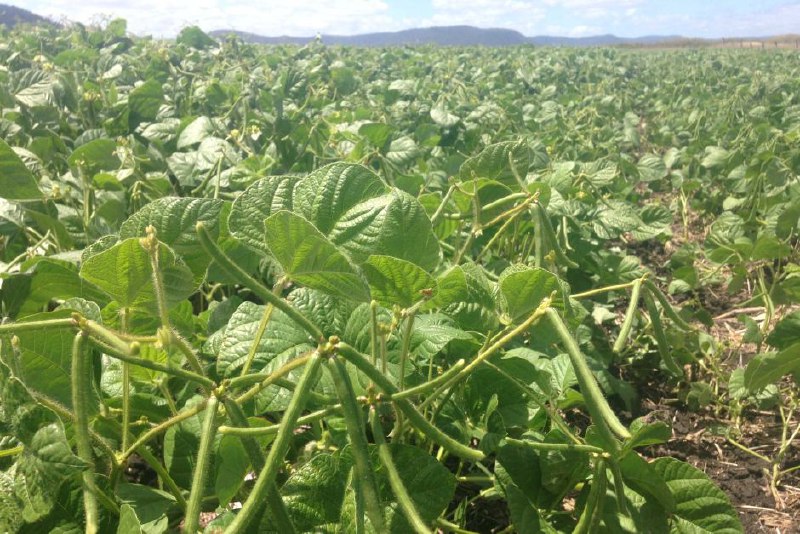
The grain of the mosh is food for humans, the stem is food for cattle, and the humus is food for the earth
In our republic, mash is grown annually as a repeated crop on an area of more than 18-20 thousand hectares. It is 1.5-2 times more nutritious than wheat, beans, peas, green peas and rye grains, and 1.5 times more nutritious. The digestibility of the protein content reaches 86%. During the growing season, the crop collects 50-100 kg/ha of biological nitrogen and organic matter in the soil and increases the natural fertility of the land.
Over-moistening of the soil when planting mash seeds has a negative effect on germination. Mosh seeds require 90-92% moisture by weight after sowing and germinate in a very short period of time. During the growing season, it is watered 1-3 times, depending on the soil and climate conditions. The demand for water is high during flowering and fruiting periods. In order to remove weeds, weeding is done and the rows are mowed. Before planting, 40-60 kg of phosphorus and 20-40 kg of potassium fertilizers are applied per hectare. It is fed with 30–40 kg of nitrogen, 20–30 kg of phosphorus and 10–20 kg of potassium fertilizers during the period of budding and flowering. If nitrogen fertilizers exceed the norm, the plant will not absorb biological nitrogen.
⌛ When the pods are ripe, the body, leaves and other parts are green. This does not allow harvesting the grain crop directly with a combine harvester. Therefore, in most cases, when 70-80 percent of mash pods are ripe, they are collected by hand in the morning, spread out and dried, and then crushed.
This recommendation was presented by the scientists of the Rice Research Institute. Let's remind that, along with rice, mash varieties such as "Radost", "Navroz", "Qahrabo" and "Hasildar" variety, recognized as promising, were created in this scientific institution.
Subscribe to the official pages of the National Center!
WEB|Telegram| Instagram | Facebook |▶ Youtube