
AGRO_RECOMMENDATION
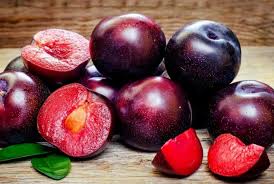
Plum is a seedless fruit tree belonging to the family of rhododendrons. More than 30 species are known. The most common type is common plum, which is believed to have originated from the natural crossbreeding of mountain plum and wild plum.
Homeland Asia Minor. It entered Uzbekistan through Iran. In terms of cultivated area in our country, it is second only to apricot among fruit trees.
Plums are mainly propagated by grafting and root cuttings, the best grafting is from the top.
After the seedling is transplanted, it will be harvested in 3-5 years. 20-25 years gives a good yield (from 30 kg to 100 kg). Lives 30-35 years. Compared to peaches, apricots and cherries, it is cold-resistant (up to -30 degrees). It is less affected by spring frosts.
Plum contains:⠀⠀⠀⠀
vitamin C;
vitamin A;
fructose and sucrose;
organic acids;
nitrogenous substances, tannins;
There are macro and micronutrients.
The main useful feature of plum is gentle cleansing of the intestines and normalization of the gastrointestinal tract. Plum has the ability to stimulate appetite and increase intestinal motility, is useful for atherosclerosis, reduces the accumulation of cholesterol in the walls of blood vessels.
10 varieties are grown in Uzbekistan. Depending on the variety, it is recommended for cultivation in different regions of our country. The experiences of the USA, Canada and Chile, which are the most advanced in the world in the cultivation of black plum fruits, are being studied, and a system of increasing the production of black plums and directing them to export is being established in the republic's territories.
Today, plum products grown in our country are exported to Afghanistan, Republic of Belarus, Germany, Kazakhstan, Kyrgyzstan, Mongolia, UAE, Russia, Turkmenistan, Ukraine.
Our social media pages!
WEB|Telegram| Instagram | Facebook | Youtube